Stress Management: Finding Your Inner Peace
In today's fast-paced world, stress has become an unwelcome companion for many. At Vibrant Vitality, we believe that managing stress is not just about surviving, but thriving. This guide offers practical techniques and tips to help you navigate the challenges of everyday life with greater ease and resilience.

Understanding Stress and Its Impact
Stress is a natural response to demanding situations. However, chronic stress can take a toll on your physical and mental health, leading to various ailments such as headaches, fatigue, digestive issues, anxiety, and even heart problems. Recognizing the signs of stress is the first step towards managing it effectively.
Common Stressors:
- Work-related pressures
- Financial worries
- Relationship conflicts
- Health concerns
- Daily hassles (traffic, chores, etc.)
Mindfulness and Meditation: Anchoring Yourself in the Present
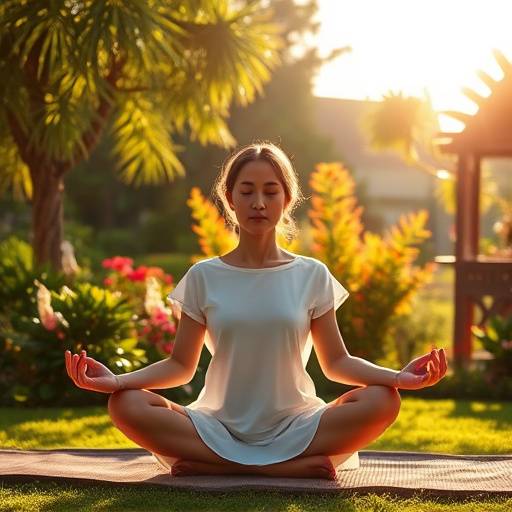
Mindfulness is the practice of paying attention to the present moment without judgment. It can help you become more aware of your thoughts, feelings, and bodily sensations, allowing you to respond to stress in a more conscious and intentional way.
How to Practice Mindfulness:
- Body Scan Meditation: Lie down comfortably and focus your attention on different parts of your body, noticing any sensations without trying to change them.
- Breath Awareness: Sit in a quiet place and focus on your breath as it enters and leaves your body. When your mind wanders, gently bring your attention back to your breath.
- Mindful Walking: Pay attention to the sensations of your feet as they make contact with the ground. Notice the sights, sounds, and smells around you.
Relaxation Techniques: Releasing Tension and Finding Calm
Relaxation techniques can help you reduce muscle tension, slow your heart rate, and lower your blood pressure. These techniques are particularly useful when you feel overwhelmed by stress.
Effective Relaxation Methods:
- Deep Breathing Exercises: Inhale deeply through your nose, filling your belly with air, and exhale slowly through your mouth. Repeat several times.
- Progressive Muscle Relaxation: Tense and release different muscle groups in your body, starting with your toes and working your way up to your head.
- Guided Imagery: Visualize a peaceful and relaxing scene, such as a beach or a forest. Engage all your senses to make the experience more vivid.
- Yoga and Tai Chi: These practices combine physical postures, breathing techniques, and meditation to promote relaxation and reduce stress.
Time Management: Taking Control of Your Schedule
Poor time management can contribute to stress and overwhelm. By organizing your time effectively, you can reduce feelings of being rushed and increase your sense of control.
Tips for Effective Time Management:
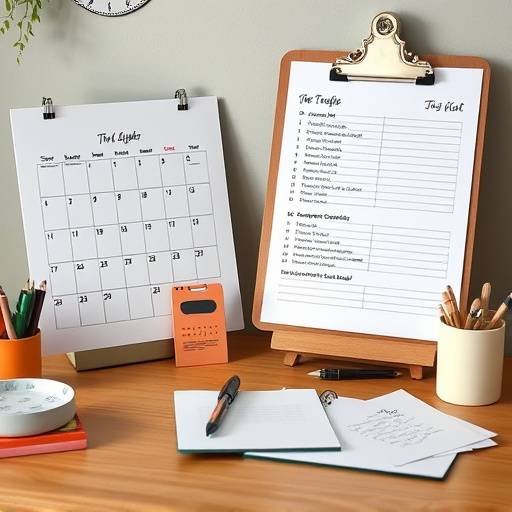
- Prioritize Tasks: Use the Eisenhower Matrix (urgent/important) to prioritize your tasks. Focus on important tasks that contribute to your long-term goals.
- Create a Schedule: Plan your day in advance, allocating specific time slots for different activities.
- Break Down Large Tasks: Divide large tasks into smaller, more manageable steps.
- Avoid Procrastination: Tackle challenging tasks early in the day when you have the most energy.
- Delegate When Possible: Don't be afraid to ask for help or delegate tasks to others.
Setting Boundaries: Protecting Your Time and Energy
Learning to say "no" and setting healthy boundaries is essential for managing stress and preventing burnout. Boundaries help you protect your time, energy, and emotional well-being.
How to Set Boundaries:
- Identify Your Limits: Determine what you are and are not willing to do.
- Communicate Assertively: Clearly and respectfully communicate your boundaries to others.
- Be Consistent: Enforce your boundaries consistently, even when it's difficult.
- Practice Self-Care: Prioritize activities that nourish your mind, body, and soul.
Lifestyle Changes: Nurturing Your Well-being
Making positive lifestyle changes can significantly reduce stress and improve your overall well-being. These changes include:
Key Lifestyle Adjustments:
- Regular Exercise: Physical activity releases endorphins, which have mood-boosting and stress-reducing effects. Aim for at least 30 minutes of moderate-intensity exercise most days of the week. Visit our exercise page for more tips.
- Healthy Diet: Eating a balanced diet rich in fruits, vegetables, whole grains, and lean protein can help you maintain stable energy levels and support your body's ability to cope with stress. Read more on nutrition .
- Adequate Sleep: Aim for 7-8 hours of quality sleep each night. Sleep deprivation can exacerbate stress and impair cognitive function. Refer to our sleep guide.
- Social Connection: Spend time with loved ones and engage in activities that bring you joy. Social support can buffer the effects of stress.
- Limit Caffeine and Alcohol: These substances can disrupt sleep and worsen anxiety.
- Hydration: Drink plenty of water throughout the day. Dehydration can lead to fatigue and irritability. Don't forget to hydrate following our hydration recommendations.

Seeking Professional Support
If you're struggling to manage stress on your own, don't hesitate to seek professional help. A therapist or counselor can provide you with guidance, support, and evidence-based strategies for managing stress and improving your mental health. At Vibrant Vitality, we partner with experienced therapists like Dr. Anya Sharma, a leading expert in stress management and cognitive behavioral therapy, practicing at the Clarity Wellness Center located at 456 Oak Avenue, Suite 200, Anytown, CA 91234. You can reach her office at (555) 987-6543 or via email at [email protected].
Taking proactive steps to manage stress can improve your quality of life and promote long-term well-being. Start implementing these techniques today and discover the power of inner peace.